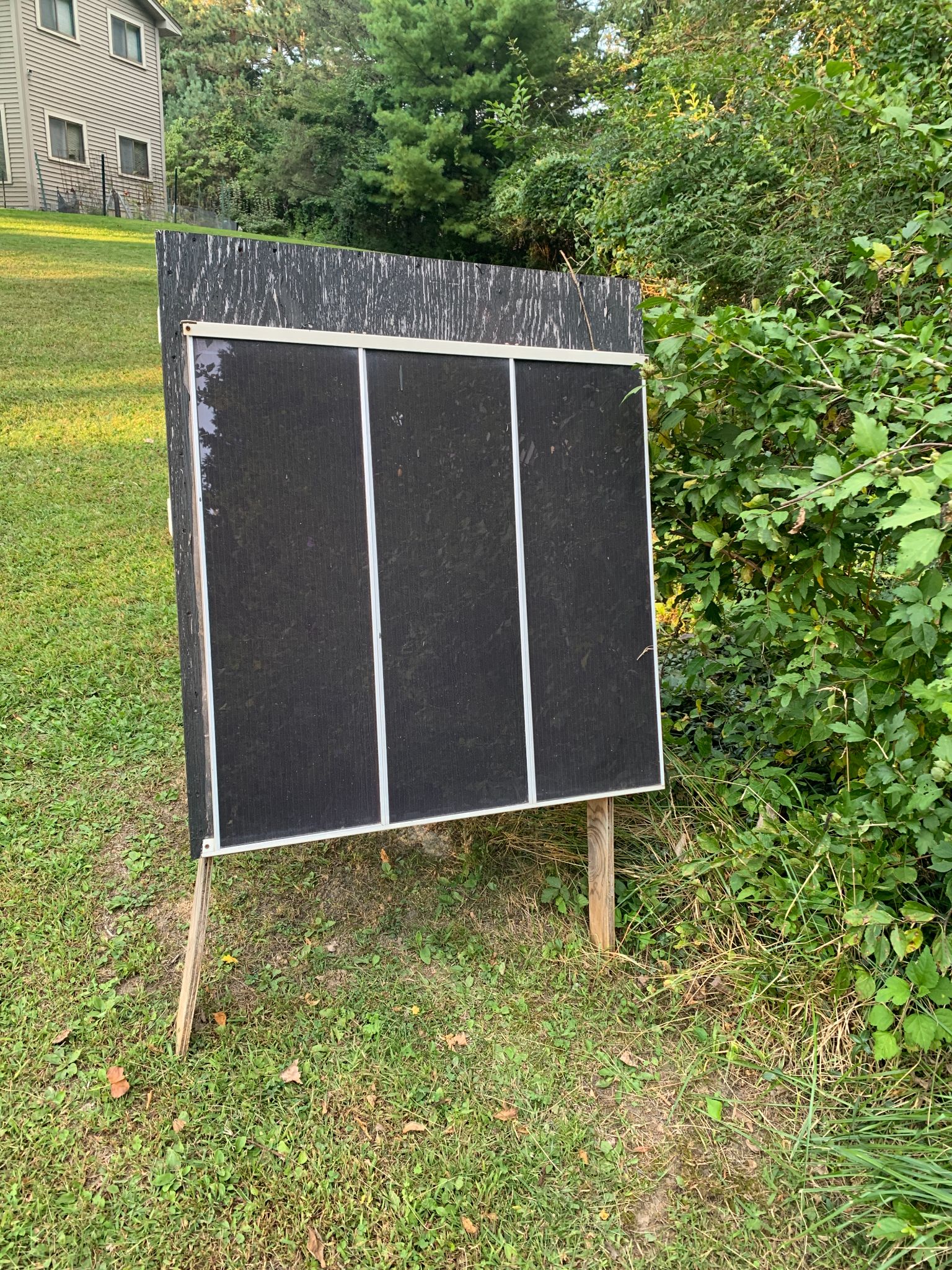
Flux
This project it constantly in flux as part of teaching energy and energy flow.
The basic parts are:
Harbor Freight Solar panels (45W)
Treadmill-PVC bladed windmill (needs repair after the storm)
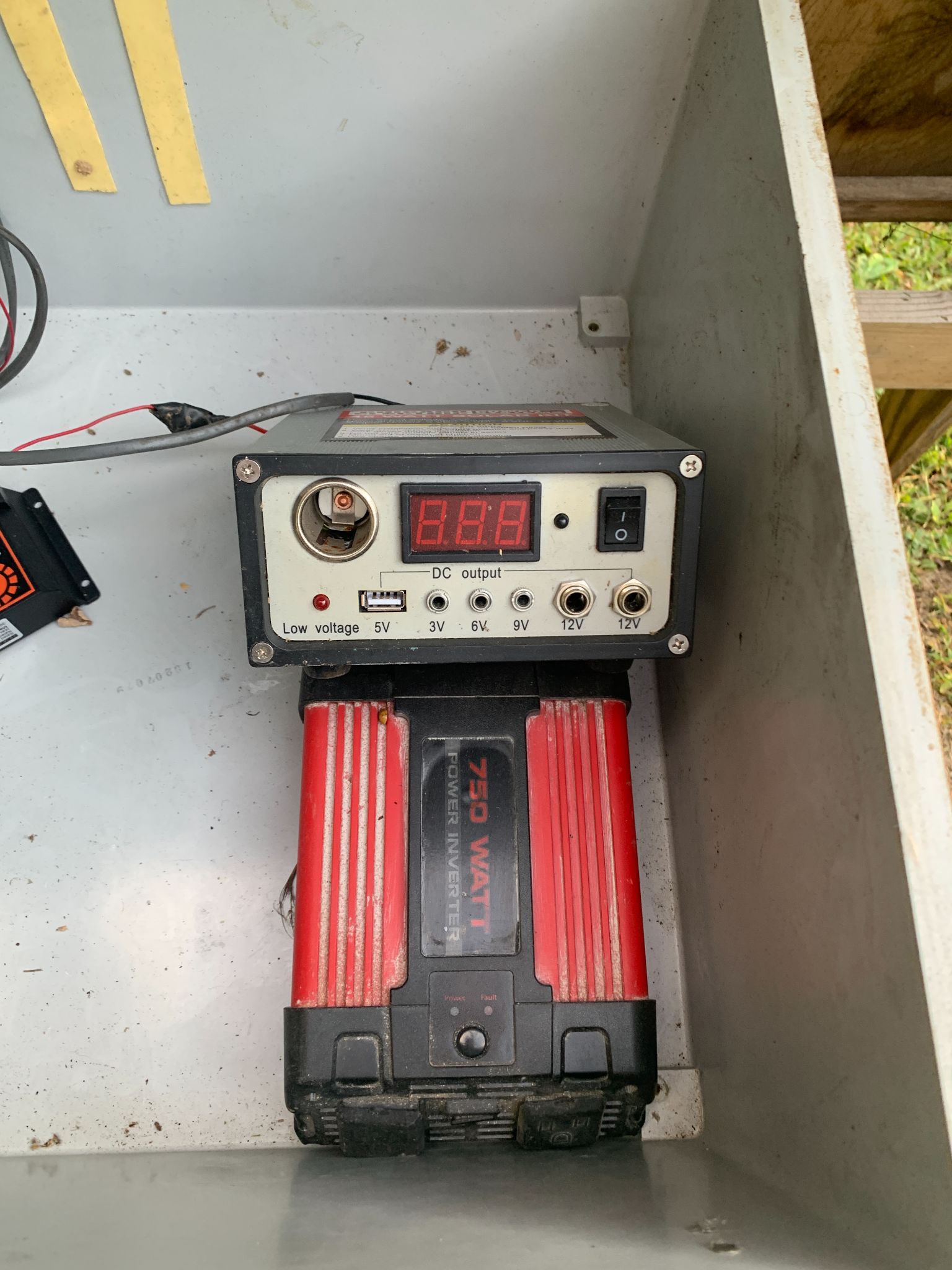
750W inverter
Charge controllers
Deep cycle batteries
Multimeters - and parts of them
Raspberry Pi/Arduino
Motors, lights, misc.
Energy systems aren’t just something to study once—they form a continuous thread that runs through many projects. In the Dale Scouts curriculum, the same parts and concepts reappear again and again, but each time with a new focus depending on the type of energy being explored.
When we teach mechanical energy, kids learn about motion, gears, and levers. They might build simple crank systems or water wheels, and the lesson centers on how force is transferred and transformed. With electrical energy, the focus shifts to circuits, motors, and storage. The kids get hands-on with wiring, batteries, and switches, learning both safety and practical design. For solar energy, the teaching is about capturing light, positioning panels, and storing power. Kids see how orientation and timing affect results. With wind energy, the lesson is about airflow and efficiency, often using blades or turbines to show how shape and speed interact.
Other systems extend the circle. Thermal energy leads to experiments with insulation, conduction, and heat transfer—sometimes even small casting or cooking projects. Chemical energy introduces batteries and reactions, where kids discover how stored energy can be released on demand. Each system comes with its own way of teaching, its own set of experiments, and its own way of reusing familiar parts.
The strength of this approach is that it’s not a single build but a continuous project. Kids begin to see the connections: how water flow relates to turbines, how turbines connect to generators, how generators link to storage, and how storage powers the next device. The systems become more than isolated lessons—they form a network of understanding that grows with each step.