Firefly Shaping Project — First Attempt and Next Steps
What Was Done
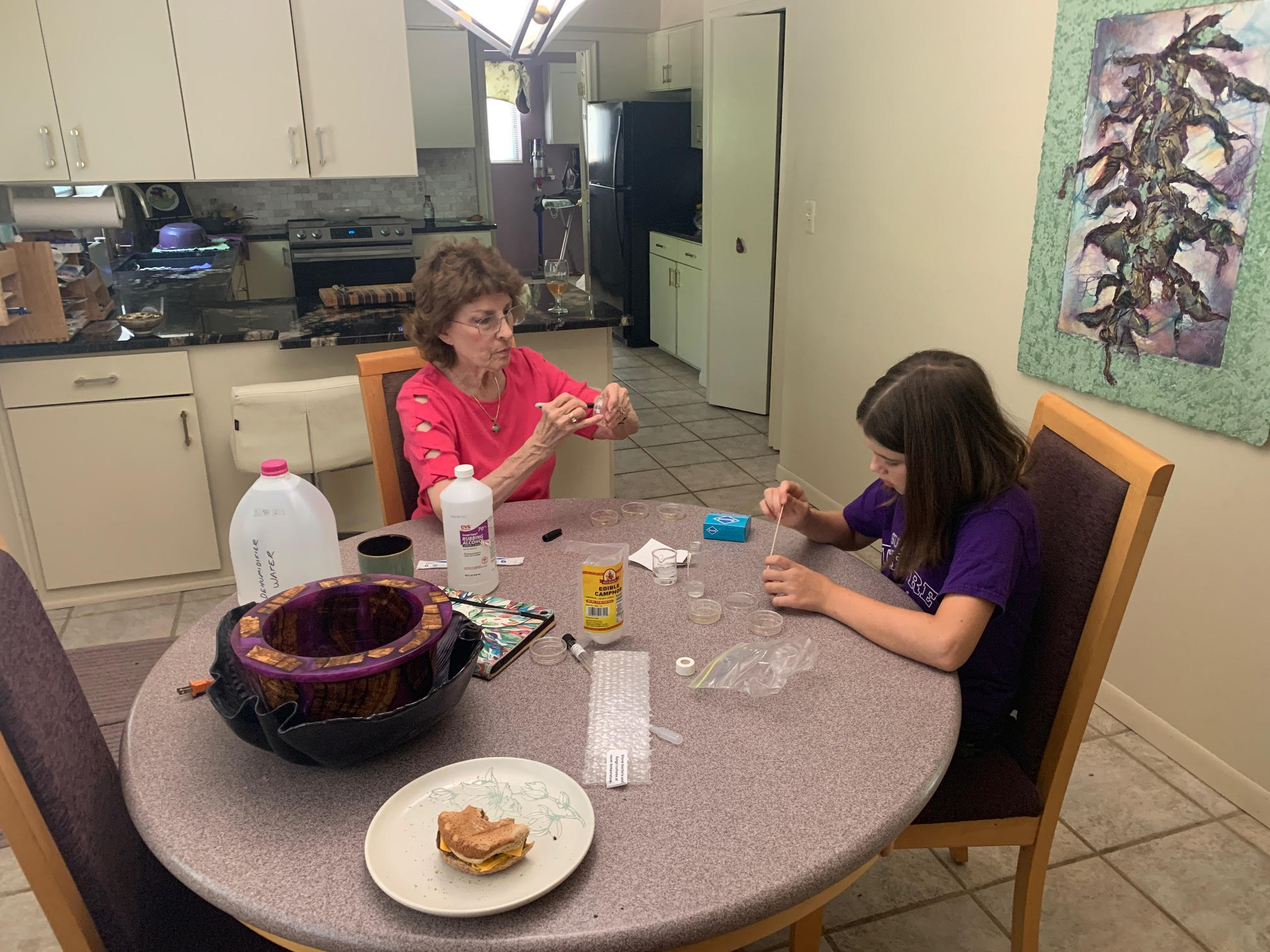
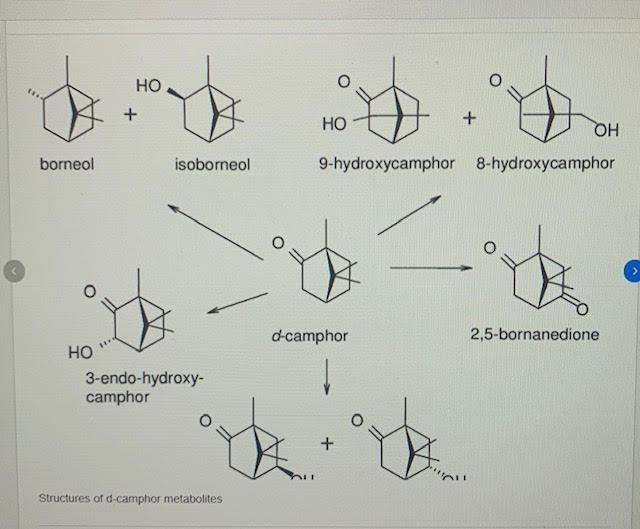
Last summer, my daughter and her grandma took on a biology project linking camphor metabolism in bacteria to firefly mating signals. They started with Pseudomonas putida, a strain known for its ability to metabolize camphor. Using agar plates, they cultured the bacteria under progressively higher camphor concentrations. The goal was to train and select strains that could survive and convert camphor into useful byproducts.
Over time, the bacteria were expected to produce (1S)-exo-3-hydroxycamphor, the same compound that female Photinus corruscus fireflies release as a pheromone. By isolating and purifying this compound, they hoped to use it as a lure, arranging it in patterns outdoors to guide fireflies into visible shapes at night.
The Results and the Challenge
The lab work went well in the early stages. Colonies grew on camphor-rich plates, and some genetic adaptation was observed. But the process of culturing, isolating, and incrementally boosting production of hydroxycamphor took much longer than expected. By the time the bacteria were producing promising amounts, the local firefly season had ended.
In other words, the science was progressing, but nature’s calendar won the race. The opportunity to test the pheromone outdoors with live fireflies passed before the team was ready.
The Plan Going Forward
The project will resume in spring 2026, timed to start well before firefly season. This time, the plan is to:
Begin bacterial culturing earlier in the year, giving more margin before summer.
Streamline the selection and genetic adaptation process, possibly by freezing intermediate strains instead of restarting from scratch.
Prepare controlled-release devices in advance, so once the compound is ready, testing with live fireflies can begin immediately.
Takeaways
The first attempt showed that the biological pipeline works: bacteria can be trained to tolerate and process camphor into useful derivatives.
Timing is just as critical as biology. Aligning lab work with the seasonal cycle of the firefly will be key.
The project remains a creative blend of chemistry, biology, and ecology, with a strong hands-on learning value.
Ticks need to die, this is my plan:
Bio-Tick Buster Project — First Attempt and Next Steps
What Was Done
This summer, my daughter, her grandma, and I launched a biology project to tackle tick populations in our backyard using household genetic engineering. We focused on engineering Bacillus subtilis, a safe, soil-dwelling bacterium, to produce nootkatone—a natural compound from grapefruit that repels and kills ticks. Starting with a basic DIY bio kit, we cultured the bacteria on nutrient agar plates in our kitchen setup. We introduced a simple plasmid carrying the nootkatone biosynthesis genes via electroporation (using a budget device from an online supplier). Over several weeks, we selected adapted strains by exposing cultures to increasing concentrations of a nootkatone precursor (citral), mimicking the stress of production. The goal was to create a sprayable "bio-acaricide" that could be misted on yard vegetation, reducing tick encounters without harsh chemicals. We tested small batches on petri dishes with lab-reared ticks (sourced ethically from a supplier), observing repellency under controlled conditions.
The Results and the Challenge
The early lab work was encouraging: Colonies thrived post-transformation, and GC-MS analysis (via a local university's free access program) confirmed trace nootkatone output after 10 days—about 5-10 µg/mL, enough to deter 40% of ticks in dish tests. Genetic adaptation was evident, with faster growth in precursor media. However, scaling production hit a wall; yields plateaued due to our home incubator's temperature fluctuations, and purifying the compound for yard-ready sprays proved fiddly with basic filtration tools. By late summer, we had a prototype mix, but tick season was waning, and we couldn't deploy it outdoors without risking incomplete data or weather washout. In short, the biotech pipeline sparked, but home-scale limitations and seasonal timing kept us from full field impact.
The Plan Going Forward
The project will ramp up in spring 2026, with my daughter, her grandma, and me resuming work well ahead of peak tick season. This time, the plan is to:
Start bacterial culturing in March, using a stabilized mini-fridge incubator to lock in consistent 30°C conditions for better yields.
Optimize strain selection by banking frozen glycerol stocks of top producers from this attempt, skipping early restarts and jumping to amplification.
Build deployment tools early, like DIY alginate bead encapsulators for slow-release sprays, so field tests can launch by May in enclosed yard plots.
We'll monitor via weekly tick drags and aim for a 60%+ reduction in a 10x10m test area, scaling if safe.
Takeaways
The first attempt proved household GE is viable for pest control: B. subtilis can be tweaked to churn out tick-repelling compounds, blending synthetic biology with eco-friendly outcomes.
Precision matters as much as innovation. Home setups need tweaks for reliability, and syncing lab progress with tick activity cycles (April-October) is crucial.
The project shines as a family STEM adventure—my daughter loved the "mad scientist" gene swaps, grandma aced the culturing, and I handled the data crunching—fostering skills in genetics, ecology, and safe experimentation.